Books on notes, attention and time
tidl is a tool, and a tool only helps if the habits around it work for you. These books are good company for anyone thinking about how they keep notes and spend their days. tidl is not affiliated with any of the authors or publishers, and the list is simply what its maker found useful.
Notes and thinking
-
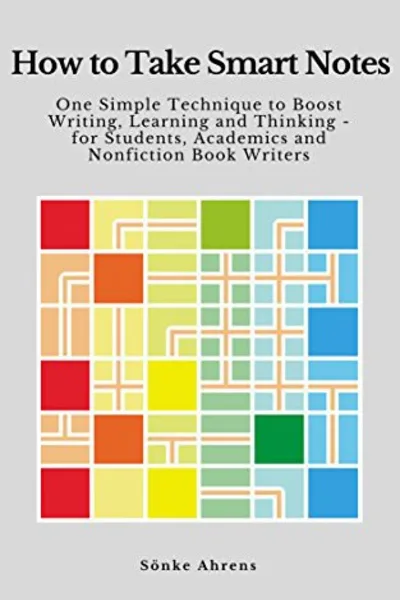
How to Take Smart Notes
Sönke Ahrens
A practical guide to the Zettelkasten, the slip-box system the sociologist Niklas Luhmann kept for decades. Write short notes in your own words, link each one to what you already have, and let new writing grow out of those links instead of a blank page.
-
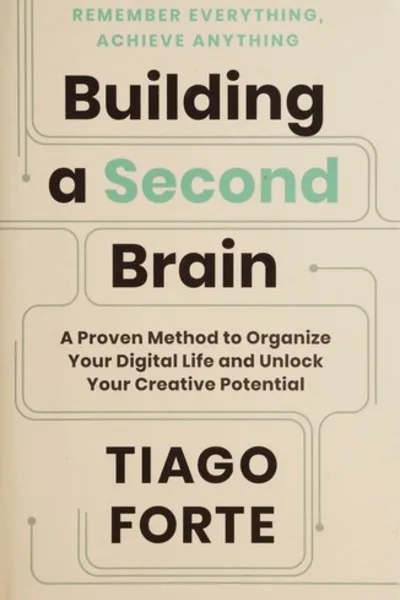
Building a Second Brain
Tiago Forte
Capture what resonates, organise it by the projects it serves, and keep distilling it so it is easy to use later. The aim is to spend less effort remembering and more on making things. Worth knowing: the PARA folder scheme it builds on suits project-shaped work well, but it files everything by how actionable it is, which may be an awkward fit for lasting knowledge that belongs to several topics. It may not suit everyone, so take what helps and adapt the rest.
-
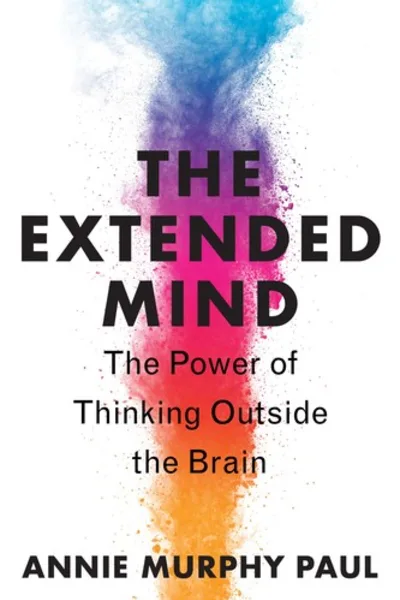
The Extended Mind
Annie Murphy Paul
Drawing on psychology and neuroscience, it shows that we think better with things outside our heads: notes, sketches, the spaces we work in and the people around us. A good case for writing things down instead of holding them in memory.
Tasks and habits
-
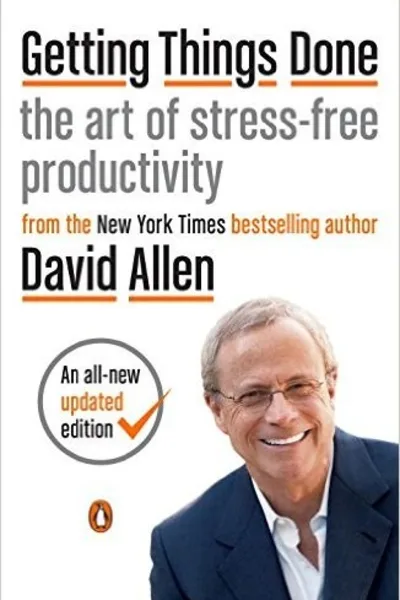
Getting Things Done
David Allen
The classic method for getting commitments out of your head. Capture everything, decide the next action for each thing, and keep a separate list of what you are waiting on from others.
-
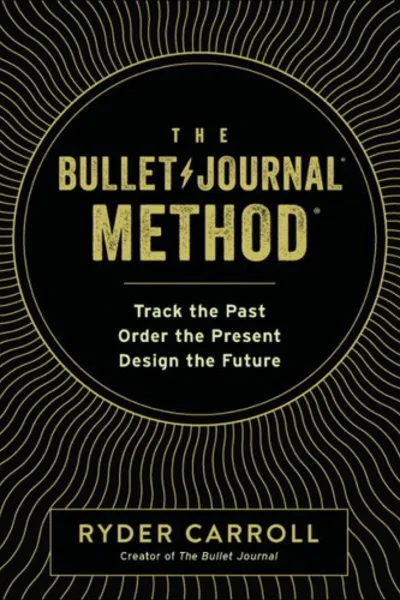
The Bullet Journal Method
Ryder Carroll
A paper system that keeps tasks, events and notes in one running log, with a monthly habit of rewriting what still matters and letting the rest go. The book is as much about intention as about notebooks.
-
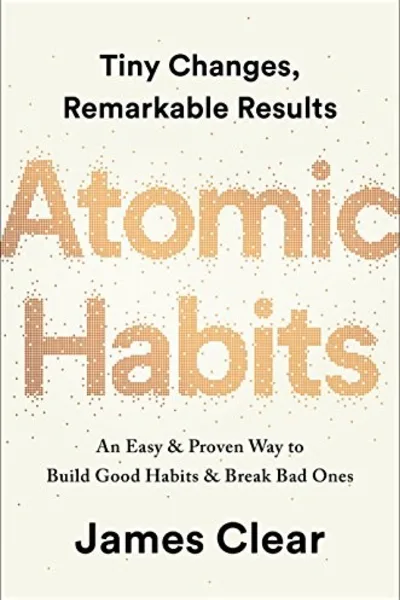
Atomic Habits
James Clear
On how small, repeatable changes add up over time, and how to shape your surroundings so good habits are easy and bad ones are hard. Less about notes, more about the routines that make any system stick.
Attention and time
-
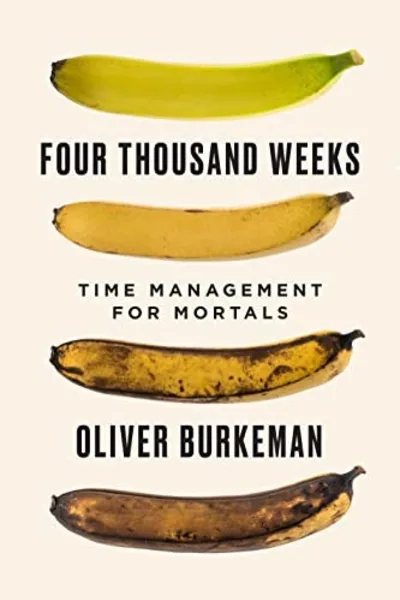
Four Thousand Weeks
Oliver Burkeman
Starting from the length of an average life, it argues that you will never get everything done, and that accepting this is a relief. Choosing what to leave undone becomes part of the work.
-
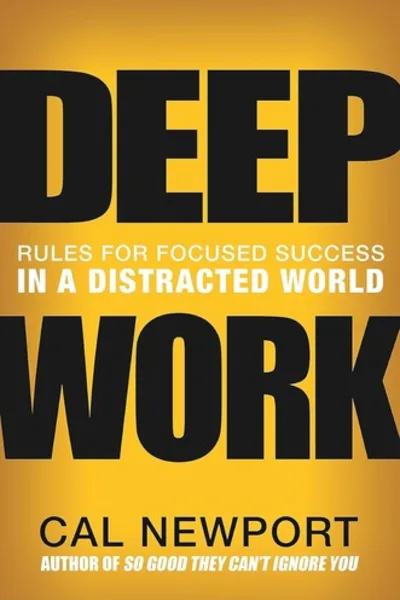
Deep Work
Cal Newport
Makes the case for long, undistracted stretches of concentration, and gives concrete ways to protect them in a week full of meetings and messages.
-
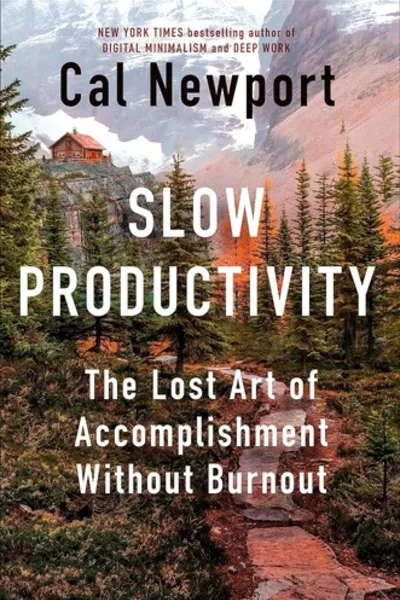
Slow Productivity
Cal Newport
Do fewer things, work at a natural pace, and care about the quality of what you make. A gentler follow-up to Deep Work for anyone tired of busyness as a measure of progress.
-
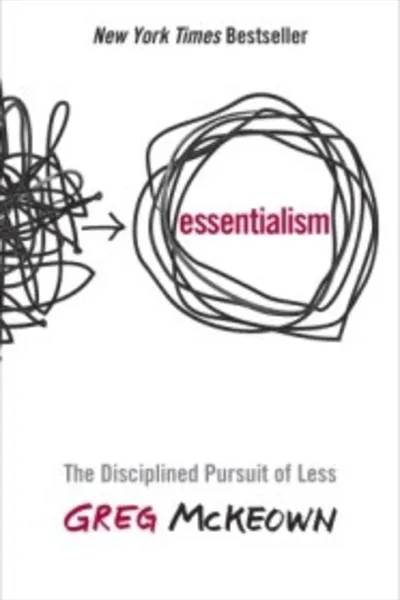
Essentialism
Greg McKeown
On doing less, but better. Tell what is essential apart from what is merely urgent, and say no to the rest without guilt.